PRRS and Influenza viruses coinfection: prevalence and productive impact in nursery units
Introduction
Porcine reproductive and respiratory syndrome virus (PRRSV) and swine influenza virus (SIV) are two of the main viral agents involved in porcine respiratory disease complex (PRDC). The presence of one of these viruses on a farm can cause relevant respiratory signs, especially in nursery units, but coinfections can exacerbate the clinical and productive impact of each pathogen.
Knowing that coinfections of PRRSV and SIV have been on the increase in the last decade1, two studies were conducted in nursery farms from The Netherlands2,3 and Spain4 to evaluate the presence and productive impact of this coinfection.
Material and methods
The two performed studies aimed to evaluate the importance and impact of PRRSV and SIV coinfection, but each one focused on a different productive parameter. The Dutch study was performed in 2023 and focused on antibiotic usage, while the Spanish was performed in 2024 and centered on mortality.
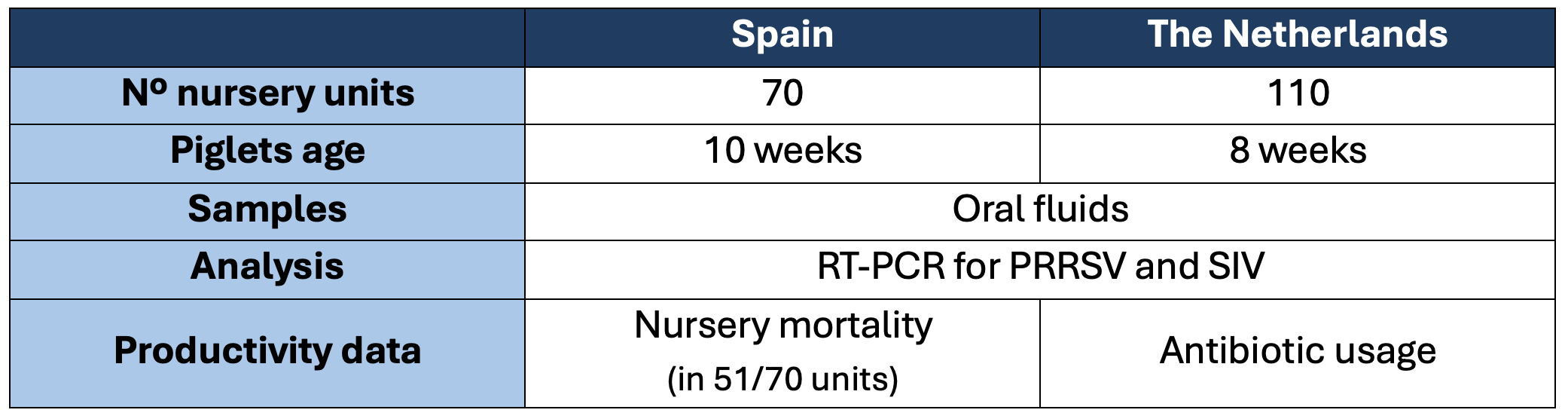
Table 1. Summary of material and methods of the two studies.
Results
31.4% and 21.8% of the nurseries were positive for PRRSV and SIV simultaneously in the Spanish and Dutch study respectively (Fig. 1). In both studies, Influenza virus infection (28.6% and 23.6%) was more prevalent than PRRSV infection (14.3% and 18.2%). A higher number of farms were negative for both pathogens in The Netherlands compared to Spain (36.4% vs 25.7%).
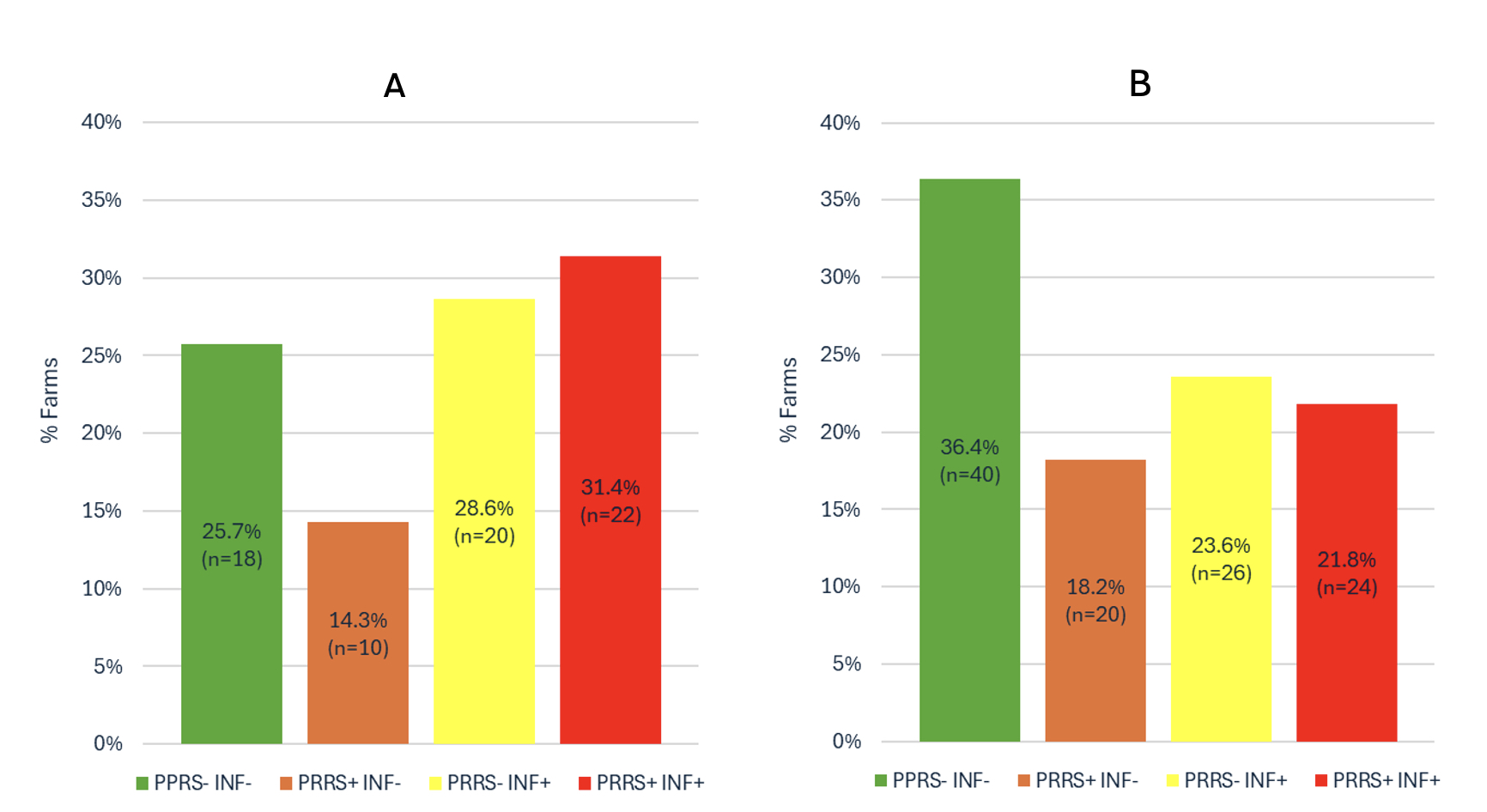
Figure 1. Farms infection status by RT-PCR to PRRSV and SIV: A) Spanish study; B) Dutch Study.
Nursery mortality data from the Spanish study showed that 81% of nurseries with >9% mortality were coinfected by PRRSV and SIV (Fig. 2).
An association between high mortality and SIV viral load was observed: 69% of the samples from nurseries positive to SIV with >9% mortality showed Cts below 25. This association was less pronounced in PRRS, where 88% of the samples from PRRSV positive nurseries with mortality >9% had Ct values above 25, indicating comparatively lower viral loads.
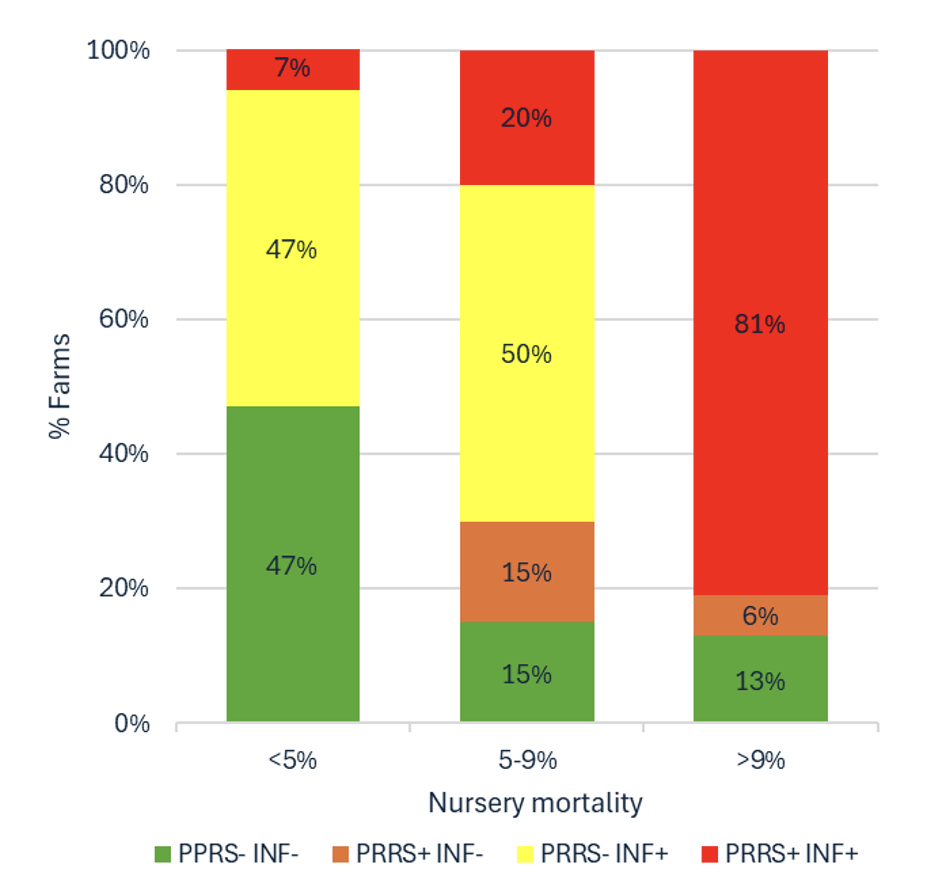
Figure 2. Nursery mortality categorized by PRRSV and SIV PCR status (Spanish study).
On the Dutch study it was observed that the double-positive farms (PRRSV and SIV) had the highest rate of antibiotic treatments against streptococcal infections (Fig. 3). In addition, SIV-positive farms had higher DDD values compared to SIV-negative farms (Fig. 4). For PRRSV no correlation was observed between positivity and DDD, but lower PRRSV Ct values were correlated with higher mortality in the nursery phase3.
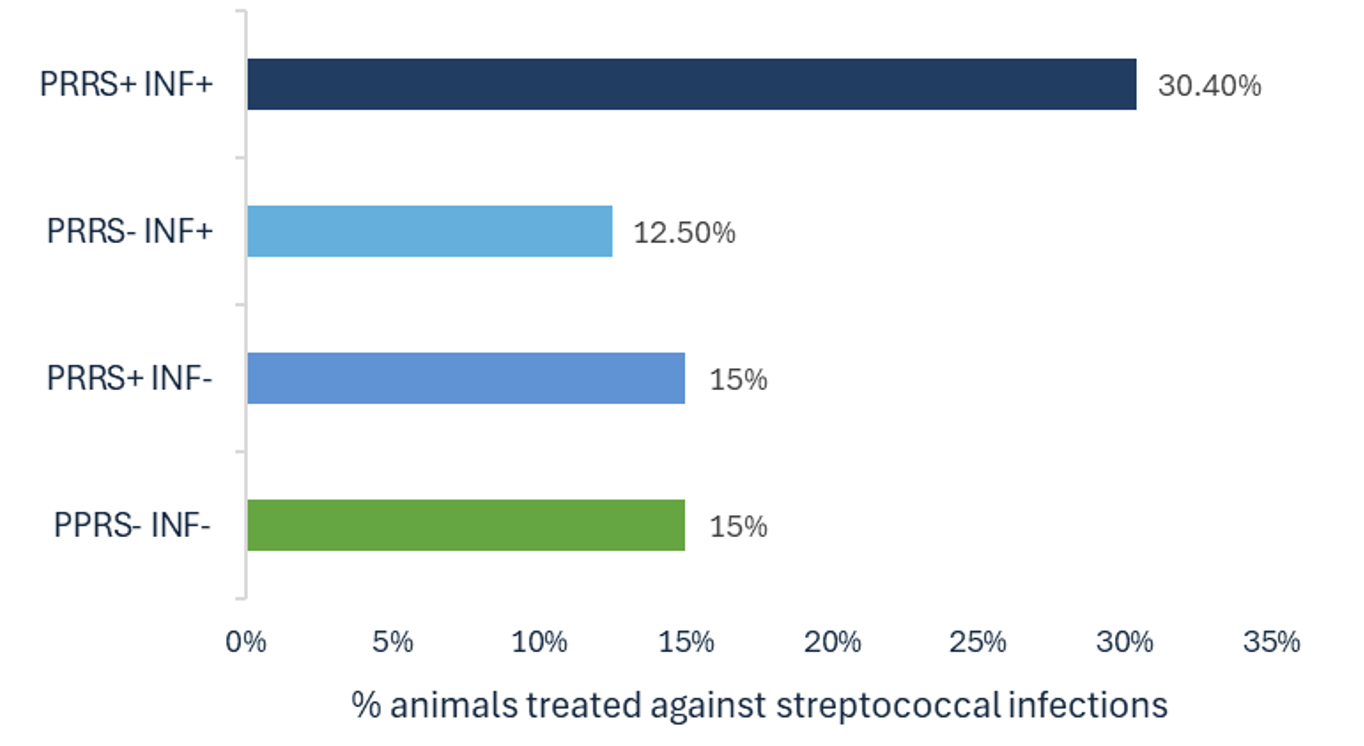
Figure 3. % of animals treated with antibiotics against streptococcal infections categorized by PRRSV and SIV PCR farm status.
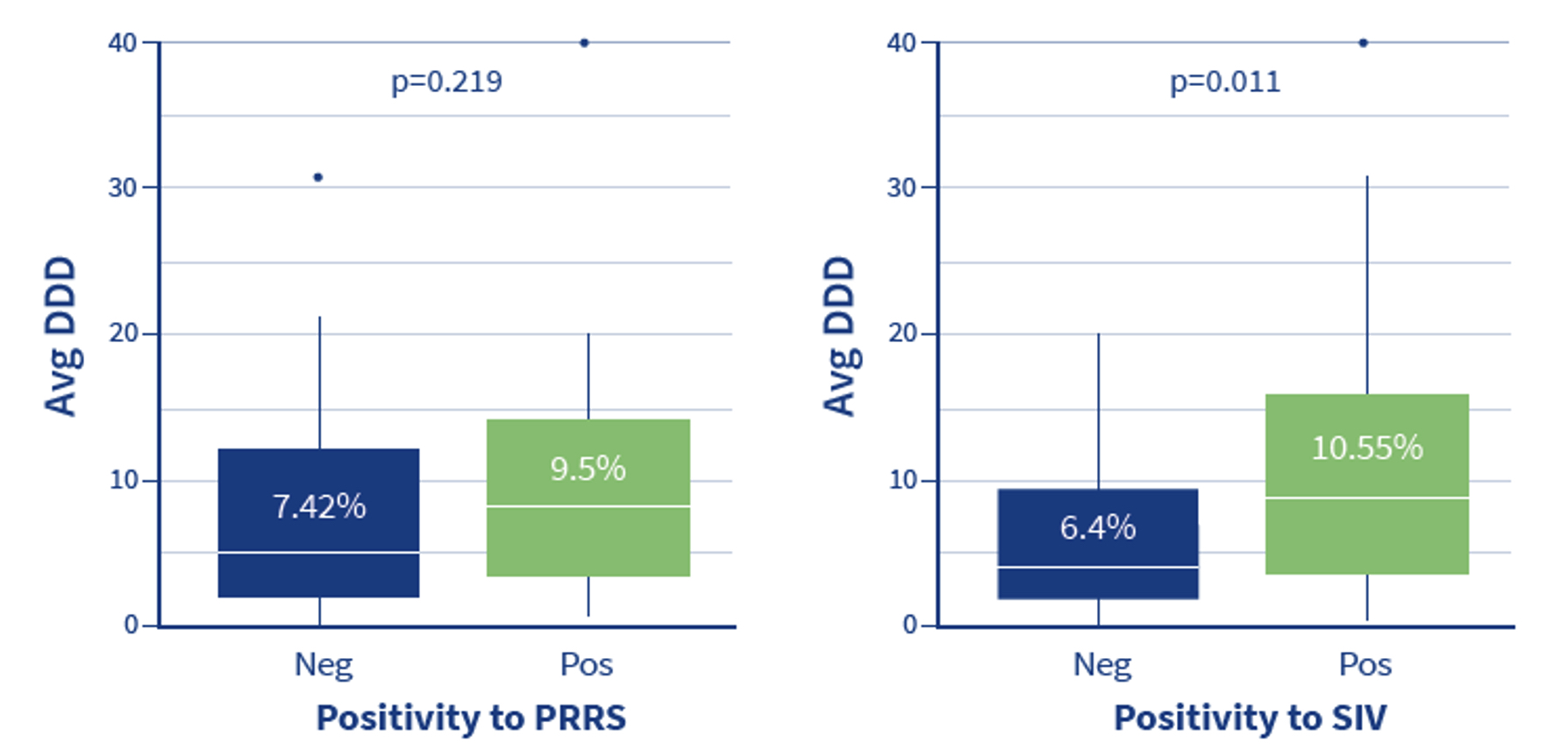
Figure 4. Average consumption of antibiotics (DDD*) during nursery phase and positivity to PRRS and SIV (Dutch Study). *DDD – Defined Daily Dose (AACTING, 2019).
Discussion
Considering both studies, 25.5% (n=46) of the nurseries were positive for PRRSV and SIV simultaneously, 16.6% (n=30) were positive for PRRSV, and 25.5% (n=46) were positive for SIV.
Regarding the productive impact, coinfected farms showed higher nursery mortality rates and higher antibiotic consumption compared to the double-negative and the monoinfected farms. In addition, higher Influenza and PRRS viral loads were correlated with higher mortality rates. These results highlight the importance of this coinfection on PRDC and farm health and productivity.
Conclusion
PRRS and Influenza viruses coinfections in nurseries are highly relevant both in presence (1/4 farms) and productive impact (higher mortality and antibiotics usage). These studies point out the need to implement control strategies considering both pathogens to minimize their economic and health impacts.
References
1. Cezar et al. Confirmed porcine reproductive and respiratory syndrome virus (PRRSV) tissue diagnosis and pathogen interactions over time and age category. NA PRRS Symposium 2022 Proceedings, pg 41.
2. Beek et al. Detection of PRRSV and SIV infections in Dutch nurseries. IPVS and ESPHM 2024. https://prrscontrol.com/wp-content/uploads/2024/06/Simultaneous-PRRSV-and-SIV-infections-increase-AB-consumption-in-nursery.pdf
3. Beek et al. Simultaneous PPRRSV and SIV infections increase antimicrobial consumption in nursery. IPVS and ESPHM 2024. https://prrscontrol.com/wp-content/uploads/2024/06/Simultaneous-PRRSV-and-SIV-infections-increase-AB-consumption-in-nursery.pdf
4. García Flores et al. Detection and productive impact of PPRS and Influenza viruses co-infections in Spanish nursery units. ESPHM 2025. https://prrscontrol.com/wp-content/uploads/2026/02/DETECTION_AND_PRODUCTIVE_IMPACT_OF_PRRS_AND_INFLUENZA_VIRUSES_CO-INFECTIONS_IN_SPAIN.pdf